
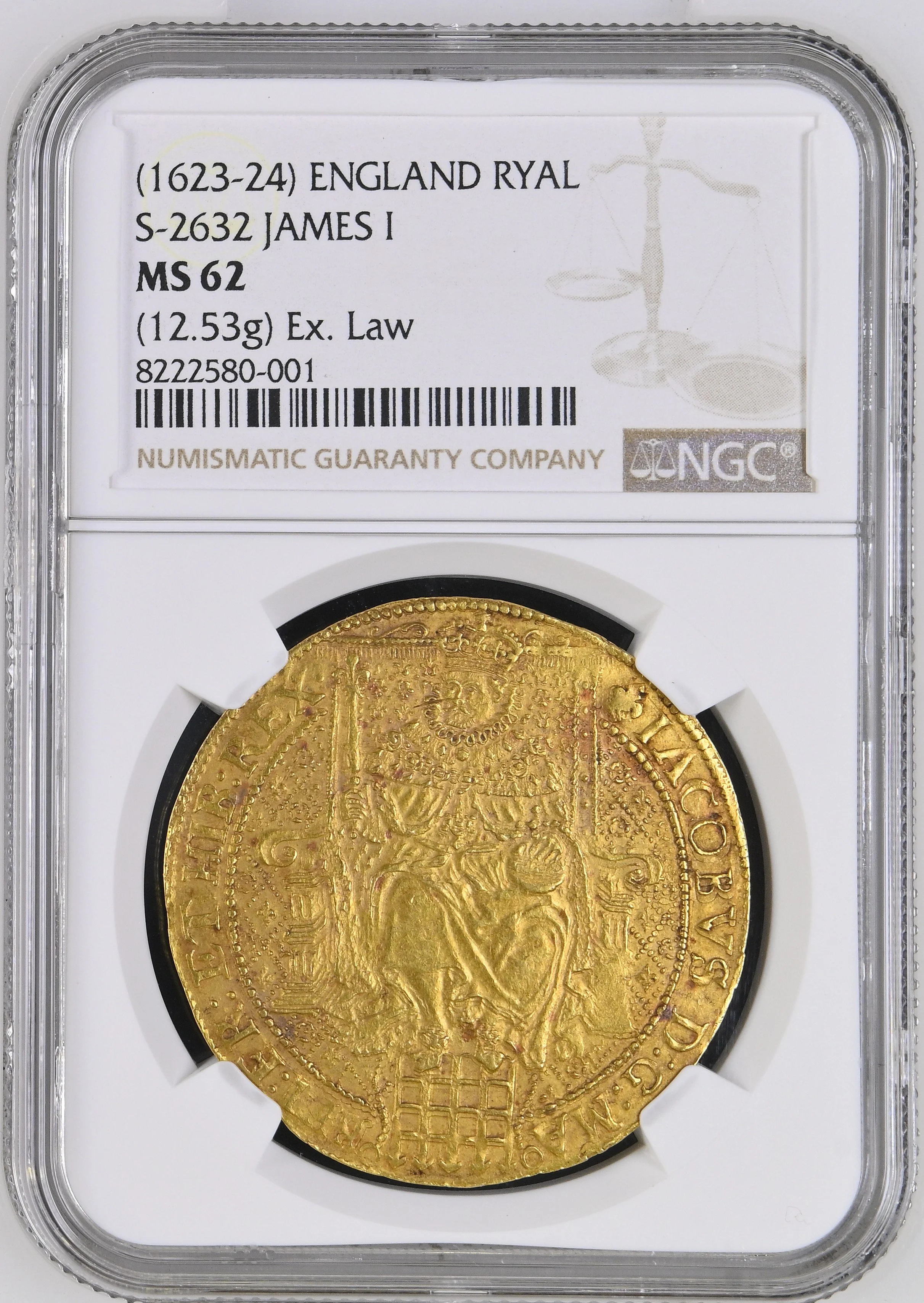
Finest James I Rose Ryal (third Coinage) MS62. Ex Law
Status: Available for acquisition
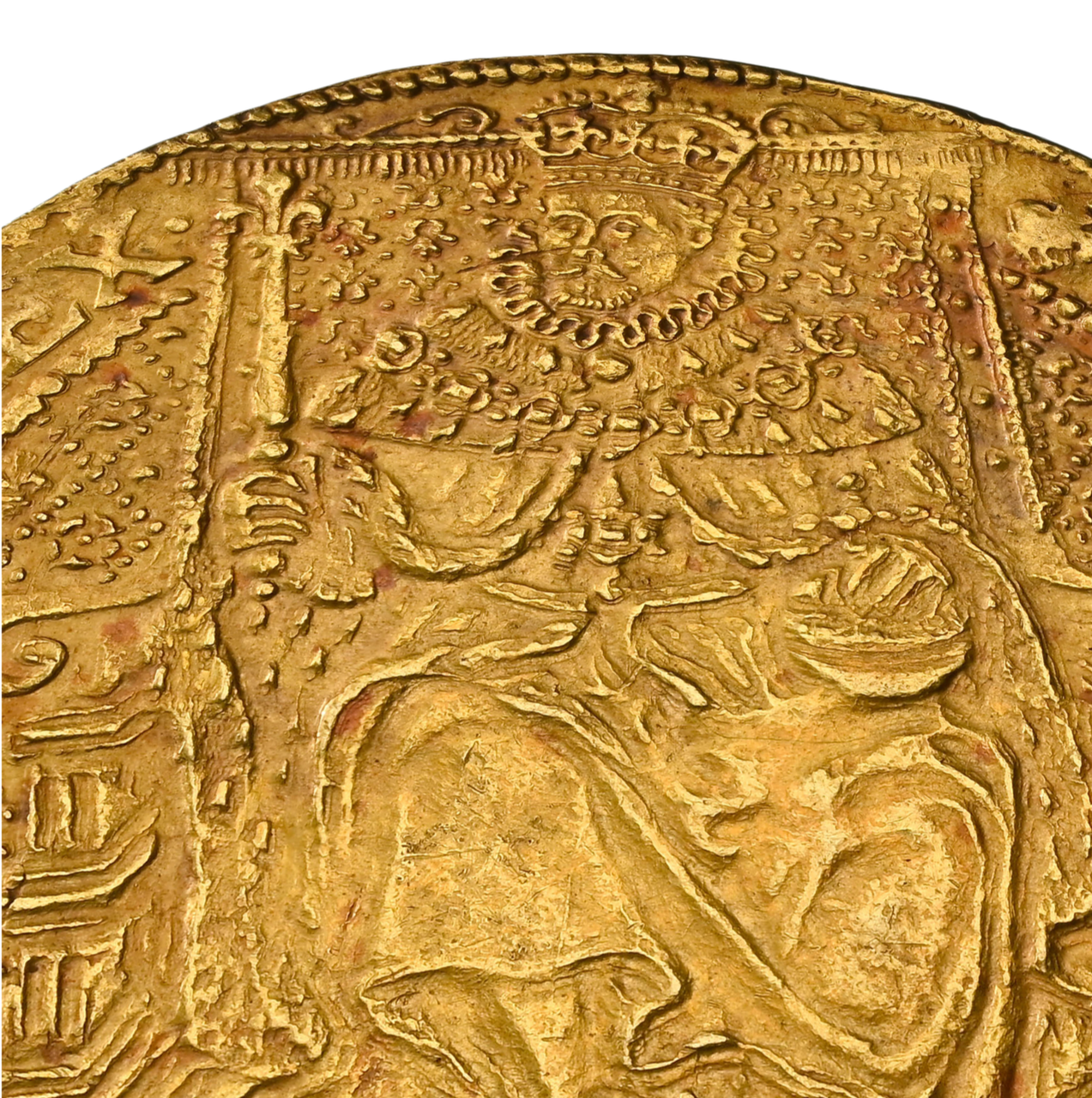
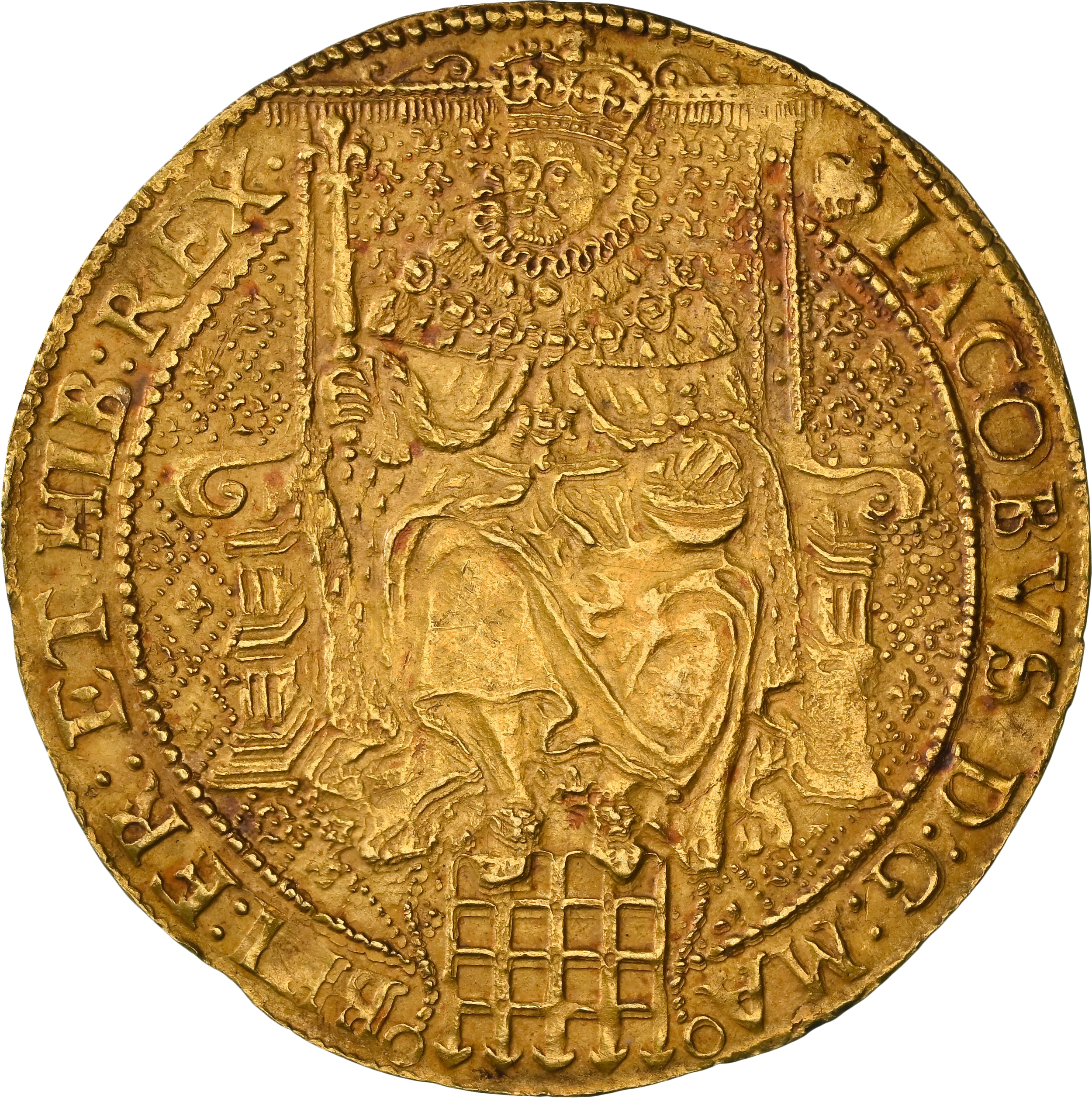
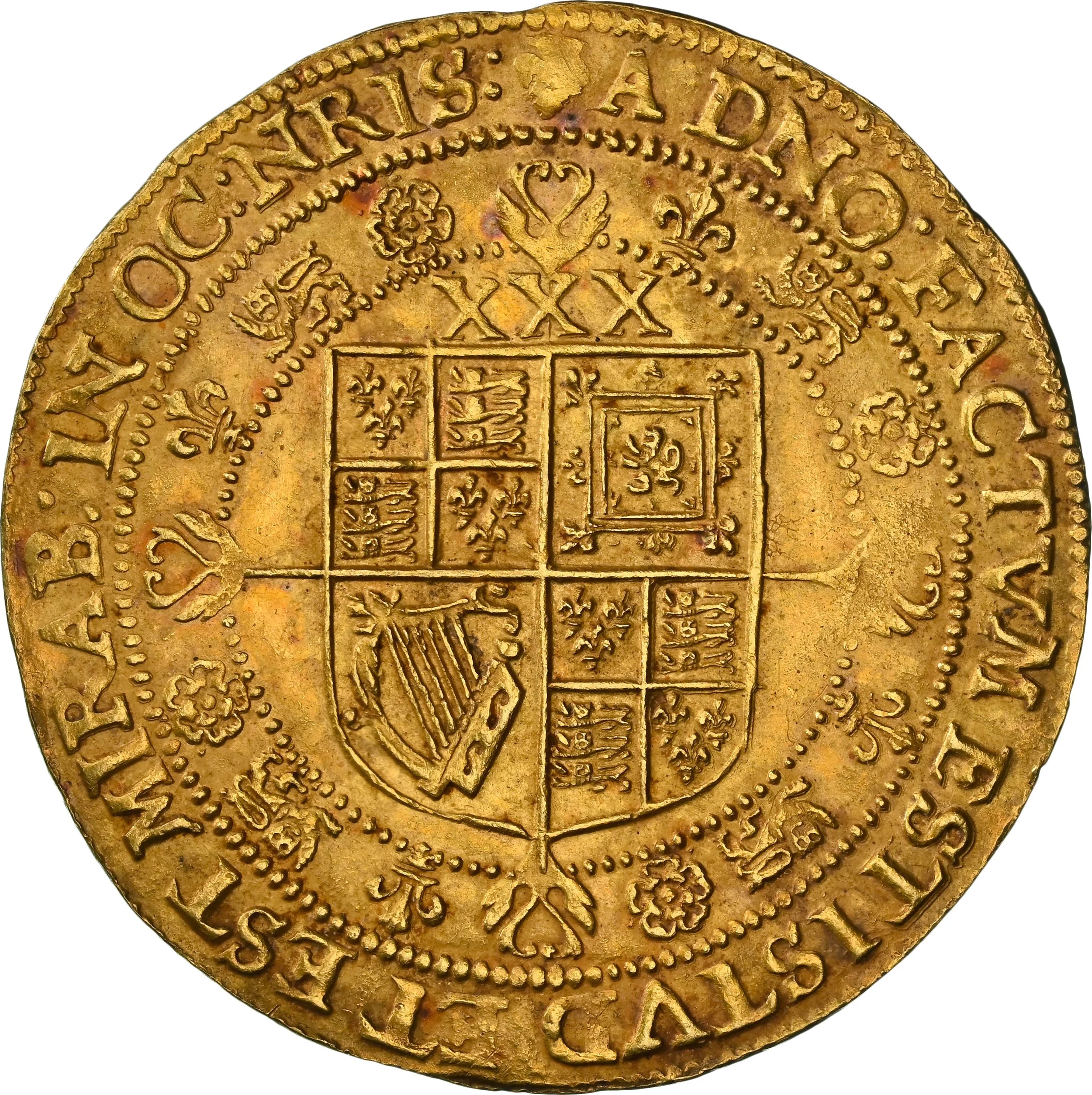
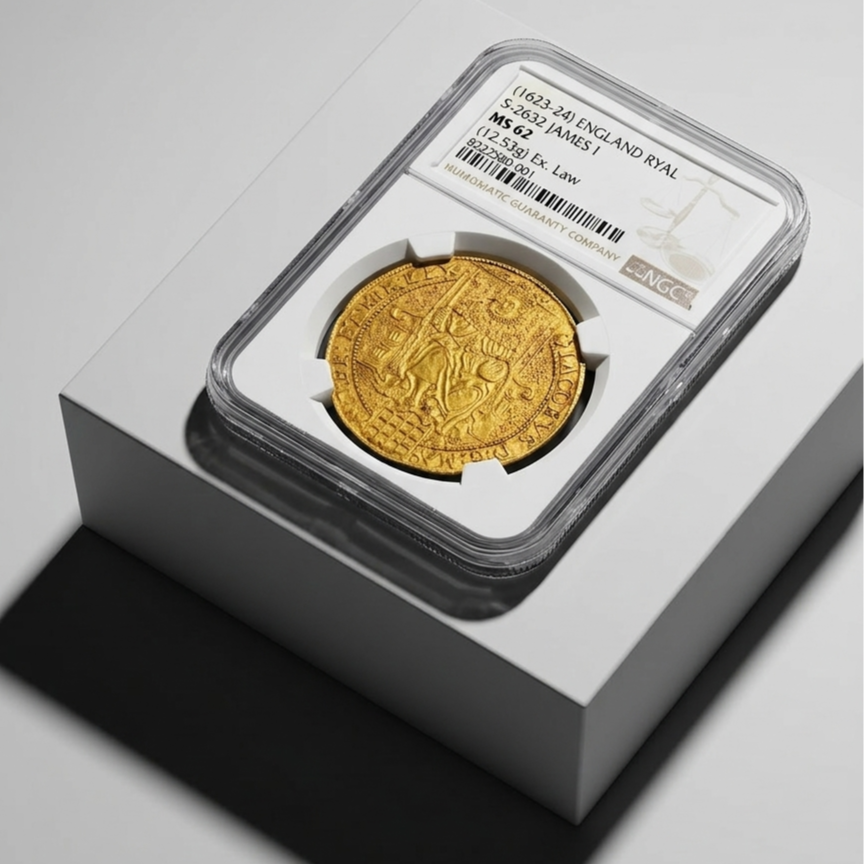
This imposing coin, measuring 43mm in diameter, serves as a testament to the artistic skill and meticulous craftsmanship prevalent at the Royal Mint during the 17th Century.
Sharply struck on a lovely flan, with only petty striking weakness noted at a very few points; the centres are exceptional. Magnificent, natural deep colour.
Holding the esteemed distinction of being the finest known example of this type (jointly across both grading agencies), this coin occupies a preeminent position within the realm of hammered coinage. Its exceptional provenance, tracing back to the renowned Law Collection, further enhances its significance.
James I, the first Stuart monarch of England, assumed the throne following his reign as James VI of Scotland. This unification of the crowns had a notable impact on his coinage. Subsequent to 1604, the royal titles and, consequently, the coat of arms featured on his coins underwent modification to reflect his expanded territories, incorporating the Irish harp and the Scottish lion. This coin is from the third (and final) coinage and marked a culmination of James I's numismatic reforms aimed at unifying his realms through symbolic coin designs.
The Rose Ryal, valued at 30 shillings, represented the largest gold denomination produced during James I's reign.
The coinage of James I is widely regarded as among the most diverse and aesthetically compelling of the British monarchy, with this particular coin arguably representing its zenith. The sheer variety of portrait styles, designs, and coin types is remarkable, establishing a level of diversity unparalleled until the extensive decimal coinage of Elizabeth II.
GREAT BRITAIN. James I, 1603-1625. Rose-ryal, ND (1623-24). Lis. Third Coinage.
S-2632; North-2108; Fr-239; KM-66.2. 193.2 grains. Seated James I holding orb and scepter; intricate field of lis pattern and portcullis at feet. Rv. Square topped quartered shield center, ‘XXX’ above. All within beaded ring with alternating lis-lion-rose emblems.
About: James I
James I's reign (1603-1625) marked the union of the English and Scottish crowns, as he inherited the English throne upon his cousin Elizabeth I's death, having already reigned as James VI of Scotland since the age of one. This personal union was a significant event in British history, though the two kingdoms remained separate entities.
A key achievement of his reign was the relatively peaceful transition of power and the avoidance of major religious conflicts, despite the lingering tensions between Catholics and Protestants. He navigated these divisions with a policy of relative moderation, though events like the Gunpowder Plot tested this balance. The Gunpowder Plot of 1605, a failed attempt by Catholic conspirators to assassinate James and Parliament, was a significant event that shaped his reign and led to increased persecution of Catholics. This event solidified anti-Catholic sentiment and influenced subsequent policies.
Another significant achievement was the commissioning of the King James Bible, completed in 1611. This new translation of the Bible had a profound impact on the English language and culture, and it remains a significant literary work to this day. Unlike Elizabeth, James was married and had children, ensuring a clear line of succession. His son, Charles I, succeeded him to the throne, continuing the Stuart dynasty. However, James's reign was also marked by growing tensions with Parliament over issues of finance and royal prerogative, setting the stage for the conflicts that would erupt during his son's reign. Despite these challenges, James I's reign was a pivotal period that saw the union of the crowns and the creation of a lasting cultural legacy through the King James Bible.