
James I, ‘Britain Crown’ 1612-13. MS61
S. 2625
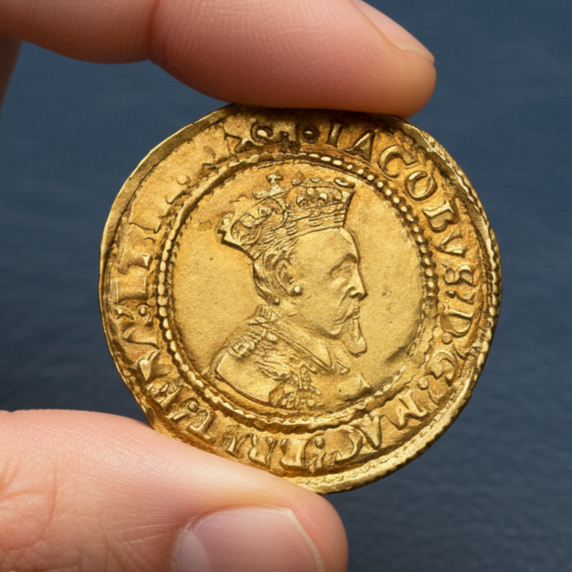
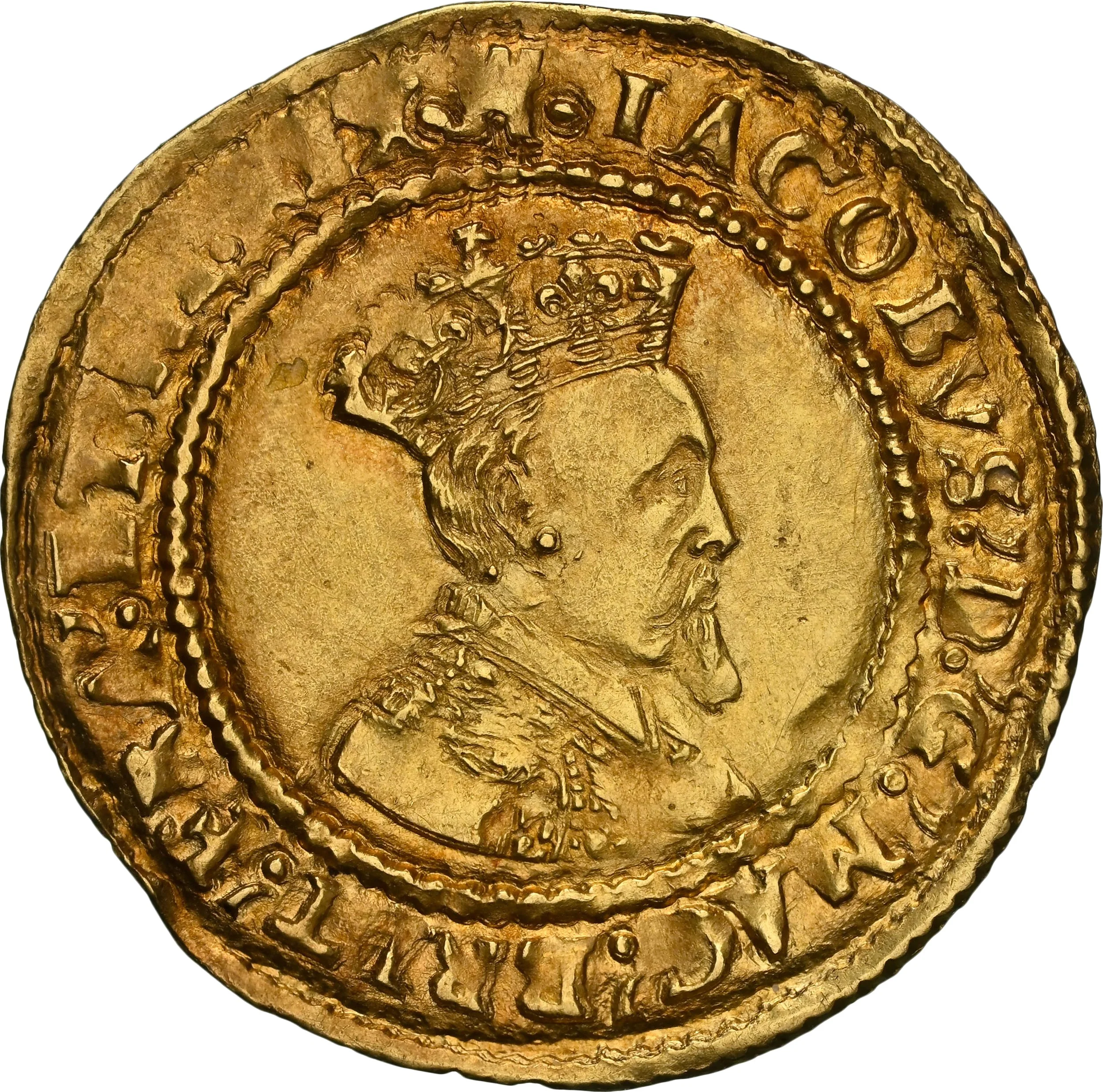
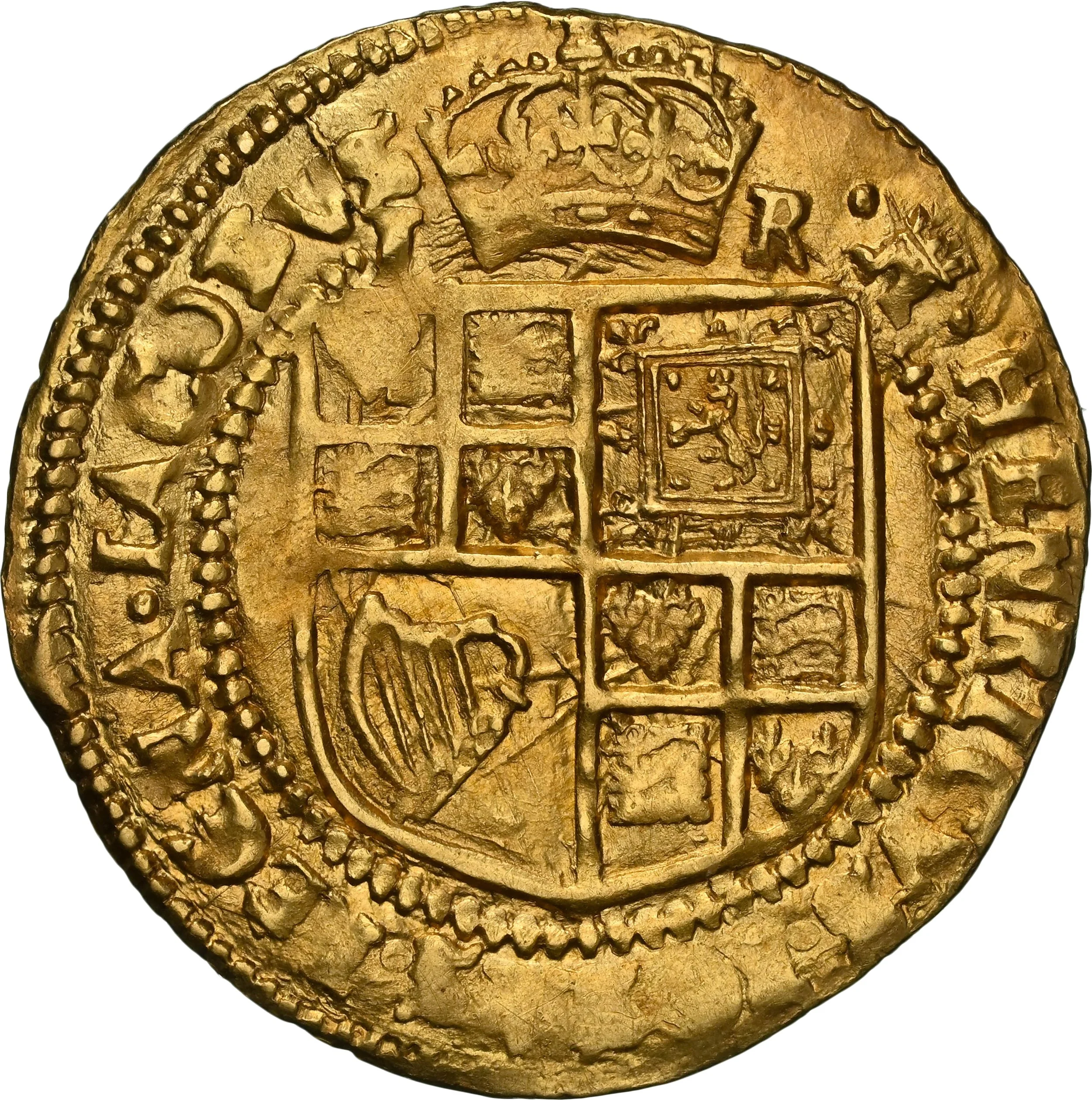
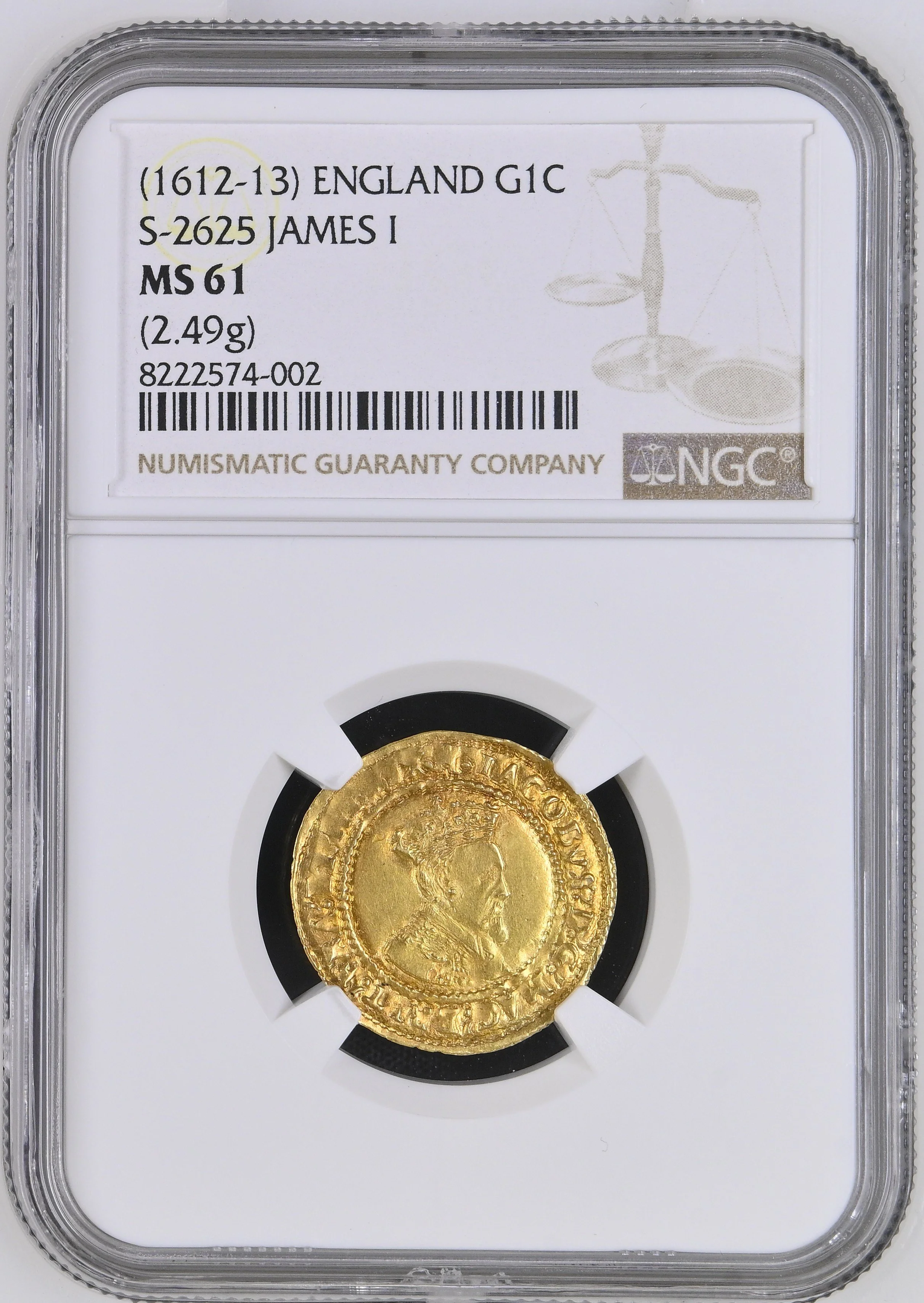
A most charming example of the James I ‘Britain Crown’ so named as it is amongst the first coin to feature ‘Great Britain’ in its legends - pre dating Anne’s unification in the early 1600’s by nearly 200 years.
Whilst only a small coin it contains much history with both Obverse and Reverse being historical capsules.
Obverse reading IACOBUS D G MAG BRIT FRAN ET HIB REX “James by the grace of God, King of Great Britain, France, and Ireland”
Reverse reading HENRICVS ROSAS REGNA IACOBVS “Henry united the roses, James the kingdoms”, alluding to both his Tudor and Stuart heritages and his hope for lasting union.
Further to this the shield on the reverse contains a crowned coat of arms with a harp to represent Ireland, the Rampant Lion for Scotland and then the 3 Lions and 3 Fleur-de-Lis for Great Britain and France.
Great Britain. Gold Crown, ND. S.2625; Fr-236. James I, 1603-1625. Second issue, third bust. Mint mark, castle. Produced around 1612-1613 this third bust issue can be distinguished by the King's square cut beard which projects. A full round coin, well struck on an ample flan, extremely rare in this high grade.
Provenance:
Noonans Auction 136, 8 June 2016, lot 148
Noble Numismatics Pty Auction 88A (Melbourne), 22-4 July 2008, lot 2400
About: James I
James I's reign (1603-1625) marked the union of the English and Scottish crowns, as he inherited the English throne upon his cousin Elizabeth I's death, having already reigned as James VI of Scotland since the age of one. This personal union was a significant event in British history, though the two kingdoms remained separate entities.
A key achievement of his reign was the relatively peaceful transition of power and the avoidance of major religious conflicts, despite the lingering tensions between Catholics and Protestants. He navigated these divisions with a policy of relative moderation, though events like the Gunpowder Plot tested this balance. The Gunpowder Plot of 1605, a failed attempt by Catholic conspirators to assassinate James and Parliament, was a significant event that shaped his reign and led to increased persecution of Catholics. This event solidified anti-Catholic sentiment and influenced subsequent policies.
Another significant achievement was the commissioning of the King James Bible, completed in 1611. This new translation of the Bible had a profound impact on the English language and culture, and it remains a significant literary work to this day. Unlike Elizabeth, James was married and had children, ensuring a clear line of succession. His son, Charles I, succeeded him to the throne, continuing the Stuart dynasty. However, James's reign was also marked by growing tensions with Parliament over issues of finance and royal prerogative, setting the stage for the conflicts that would erupt during his son's reign. Despite these challenges, James I's reign was a pivotal period that saw the union of the crowns and the creation of a lasting cultural legacy through the King James Bible.