
The Role of Tangible Assets When Equity Volatility is High: A Case for Counter-Cyclical Investing
When the financial system experiences stress, the correlation between traditional assets like stocks and bonds often spikes, erasing the benefits of diversification. This is when tangible assets—such as high-value art, classic cars, and rare coins truly earn their place in a balanced portfolio.
Research and market data consistently reveal that these assets offer crucial diversification, low correlation, and often outperformance compared to traditional markets during periods of financial stress.
1. The Evidence: Uncorrelated Alpha and Performance Metrics
The appeal of tangibles isn't just theoretical; it's backed by performance during downturns and across decades.
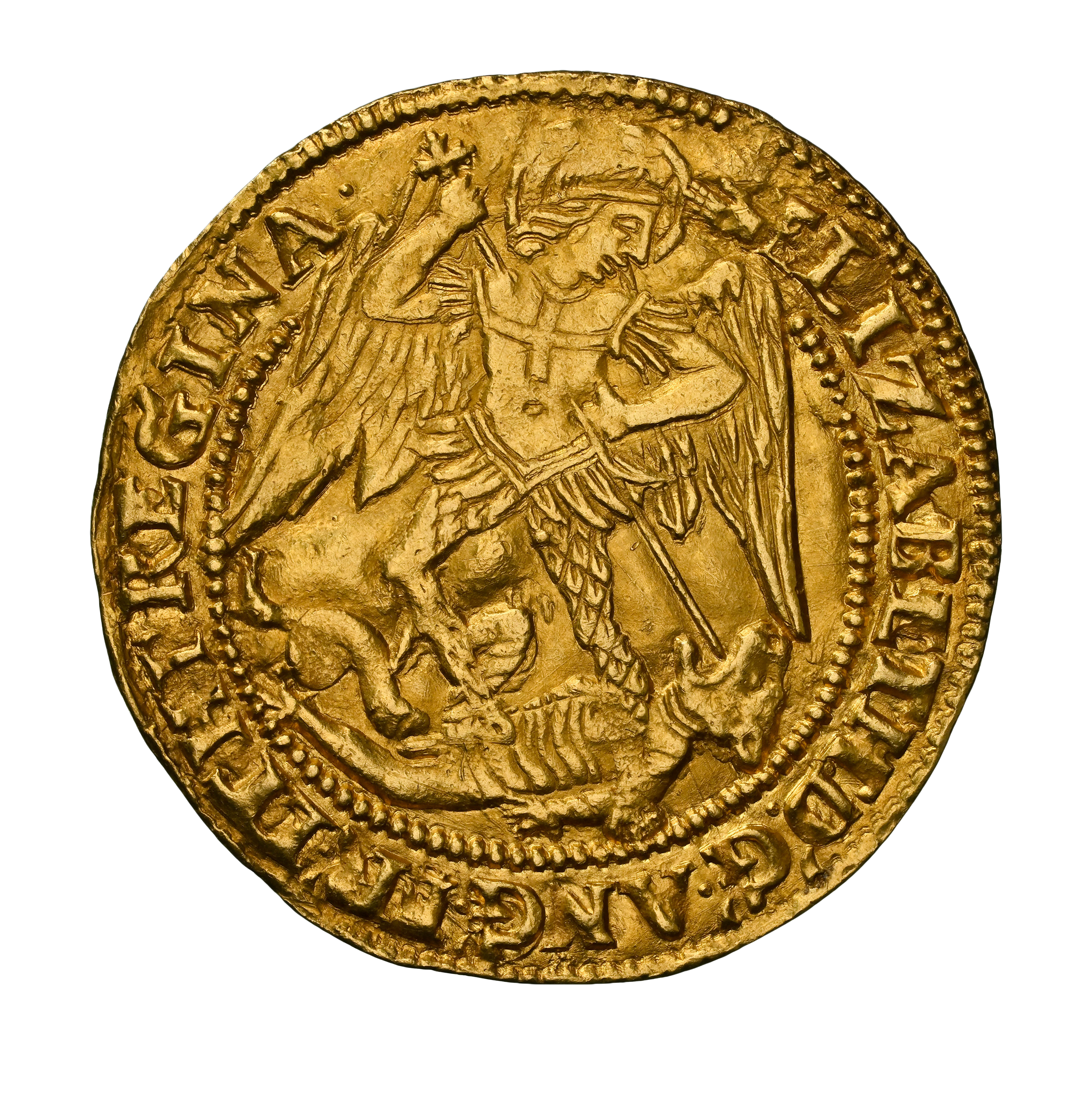
Long-Term Outperformance (Rare Coins): Historically, specialised rare coin indices tracking high-end certified assets have demonstrated remarkable resilience. For instance, over the last 40 years, while equity markets returned high single digits, the top tiers of the numismatic market have averaged returns often cited in the 10% to 15% Compounded Annual Growth Rate (CAGR) range though we have been unable to verify this data. We do believe this to be true and this performance significantly outpacing inflation and often rivaling or exceeding long-term equity performance with lower volatility. To support this we have our own Index - Heritatum Rare Coin Index (HRCI) which shows in excess of a 13% CAGR over a 20 year period (20023-23) with the top performing coin (George II 2 Guineas 1734/3) showing a 19.6% CAGR over this period.
Crisis Resilience: Consider the 2008-2009 Global Financial Crisis. While the S&P 500 lost over 50% from its peak to its trough (and therefore needed to make 100% gains to come back to even), the leading rare coin indexes saw increases, functioning as a true safe haven store of value during systemic failure. Between 2008 and 2010 the Heritatum Rare Coin Index (HRCI) increased by 35% whilst the FTSE lost 12%. Even Gold with its safehaven reputation lagged behind this with a still respectable 17% increase in value.
Risk-Adjusted Returns (Broader Tangibles): Classic cars and fine wines have been documented to have historically delivered stronger performance than equities, fixed income, and real estate in certain periods. But these 2 ‘accepted and known’ assets show performance well behind rare coins.
Stability Over Volatility: Art assets, as measured by leading market indices, demonstrate greater stability and lower volatility than equities. The art market has been shown to outperform stock indices during recent market swings, making it an attractive tool for risk mitigation but is still weak in comparison to rare coins.
In summary, high-value collectibles tend to retain value better than more speculative categories. They act as a powerful hedge against inflation and sharp market downturns. Rare coins perhaps show the most compelling example of this.
2. Numismatics: The Most Concentrated Tangible Asset
While cars, art, and wine are compelling counter-cyclical investments, rare coins possess unique structural advantages that make them the ideal ‘hard asset’ for the modern financial climate:
A. Certified Rarity and Liquidity
Unlike art, where provenance and condition can be subjective, the numismatic market is dominated by independent grading agencies (PCGS and NGC). This certification guarantees the coin’s authenticity and condition (and by association rarity), making it instantly tradable and globally liquid. It is a standardisation unmatched by most other collectibles (with playing cards and comics also benefiting from this service).
B. Portability and Cost Efficiency
A significant portion of capital is absorbed by the storage, insurance, and maintenance of many other tangible assets (garages for cars, climate-controlled cellars for wine, secure walls for art). Rare coins require negligible storage space and minimal maintenance, leading to far lower ongoing transaction costs and therefore a higher net return for the investor. Rare coins are, in essence, highly concentrated wealth.
C. The Confidence Dividend
Ultimately, unlike say stocks, the value of rare coins is anchored not in the future profitability of a company, but in its irreplaceable historical scarcity. Rare coins appeal to ultra-high-net-worth individuals and institutions seeking an emotional and cultural safe haven when mainstream financial markets falter. This emotional utility (SEE EMOTIONAL UTILITY JOURNAL), combined with their fixed supply, underscores investor confidence, with many surveyed in publications such as Knight Frank Wealth Report expecting high annual returns even during economic uncertainty.
By including higher liquidity, certified tangible assets like rare coins, investors can transform their portfolio from one subject to the whims and ‘fear and greed’ of the market cycle to one built on the bedrock of historical scarcity and demonstrable stability.
Key Findings from Recent Studies
Sources: CBRE, Knight Frank, Amundi, UBS, ScienceDirect.
Improved Risk-Adjusted Returns
A decade-long study (2013–2023) of U.S. pension funds found that portfolios with just 10% in real assets outperformed the average fund. Increasing real asset allocation to 20% improved returns even more and consistently lowered portfolio volatility and drawdown risk.
Equally splitting a portfolio between equities, bonds, and real assets resulted in higher Sharpe Ratios (above 1), illustrating stronger risk-adjusted returns than the standard 60/40 stock-bond mix.
Enhanced Diversification and Resilience
Tangible assets such as gold, property, and infrastructure demonstrate low or negative correlation with equity markets, boosting resilience and portfolio stability in times of crisis or inflation.
Vintage cars, for instance, showed a 185% value increase (2013–2023) according to the Knight Frank Wealth Report, far outpacing most traditional asset classes, with art also delivering strong, steady appreciation. Coins are rarely considered in this but as our research suggests these have outperformed Vintage cars (and almost all others).
Summary: Tangible Asset have a positive Impact on Portfolio Performance
It is quite clear that including tangible assets in a diversified portfolio demonstrably enhances performance and cushions against equity market volatility—making it an evidence-based strategy for counter-cyclical investing.